Hear them say it themselves. The ones who lived it. Coming.
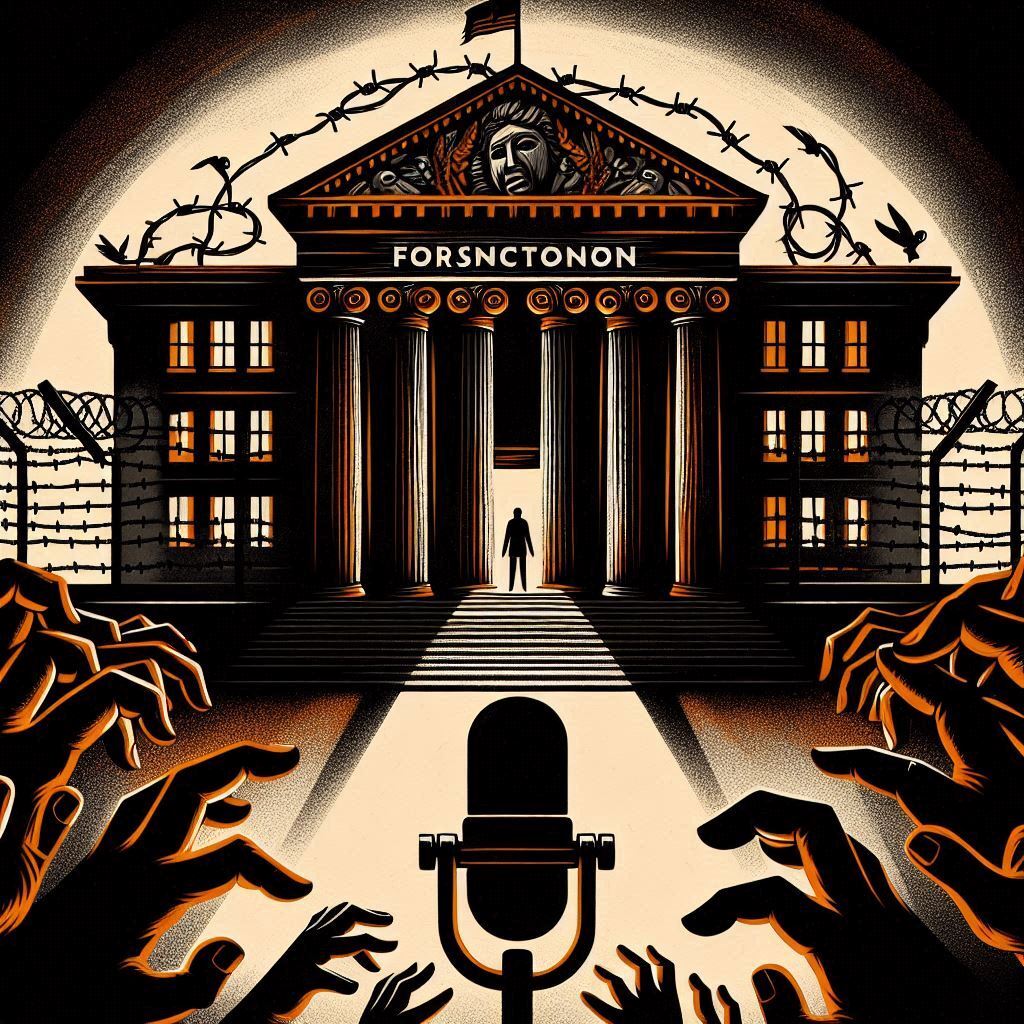
♠
Forsanctioned
Some stories don't get told. Some do — but not the way they happened. This is the other way.
Some stories don't get told. Some do — but not the way they happened. This is the other way.
They told me whistleblower protections existed. I raised my hand. The retaliation came so fast I didn't even have time to learn what hit me.
I disappeared. Changed my name. Started over. Some people think I'm dead.
I'm not. I'm watching. And I'm documenting everything.
HR calls it "protected leave." But when you come back — if you come back — everything is different. The silence is the worst part. No one warns you about the silence.
I'm still here. I'm still fighting. You're not crazy. You're not alone. You're not imagining it.
Protections are a coat they promised would be in the closet. You go out in the storm to get it. You pay for it. And then, as you walk to the door, the cashier is still holding the string.
The coat unravels in your hands before you get outside. You're standing in a winter storm with nothing but a tube top and a receipt.
This exists because the coat was never real.
They created a position that had no classification. No defined role. No performance standards. When I blew the whistle, they said I failed to meet standards. But the standards never existed.
The hardest lesson: protective policies are written by people who've never needed them. And they're enforced by people who benefit from them failing.